 Locations
  01 4299972
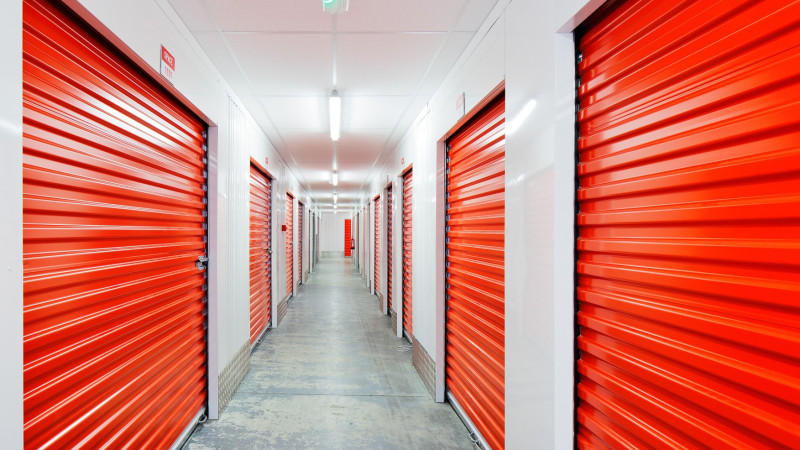
Renting a self storage unit is one thing, but actually making the most of it is another. If you’ve ever opened the door to your unit and spent ten minutes moving things around just to get to the one box you actually need, you’ll know exactly what we mean.
The good news is that a bit of thought upfront goes a long way. You don’t need special equipment or a background in logistics – just a few simple habits that make your unit easier to use, easier to navigate, and much better value for money.
Here’s what makes a real difference.
Start with a plan before you start loading
It sounds obvious, but most people skip this step entirely. They turn up with a van full of stuff and start loading in whatever order things come off the vehicle. The result is usually a unit where the things you need most often are at the back, buried under everything else.
Before you start, think about frequency of access. Items you’re unlikely to ever need – archived paperwork, off season decorations, things you’re holding onto but not using – can go at the back. Things you might want to dip into regularly should stay near the front. A few minutes of planning at the start can help you avoid common self storage mistakes.
Go vertical
Floor space is the obvious thing people think about, but vertical space is where a lot of people leave value on the table. Most storage units have a decent ceiling height, and most of that space goes completely unused.
Sturdy shelving units can be a useful investment for larger units. They keep boxes off the floor and make everything far more accessible. Stack heavier items on lower shelves and lighter boxes higher up, and you’ll be amazed how much more you can fit in – and how much easier it is to find things.
Use uniform boxes wherever you can
It’s tempting to use whatever boxes you have to hand – a mix of supermarket boxes, old Amazon deliveries, and oddly shaped bags. And for a short term move, that’s fine. But if you’re planning to keep things in storage for any length of time, uniform boxes are genuinely worth it.
Same sized boxes stack cleanly, which means you can build stable columns right up to your shelving height without things toppling. They also make much better use of the space than a jumble of different shapes and sizes. A set of decent moving boxes doesn’t cost much and makes a noticeable difference.
Label everything – including the sides
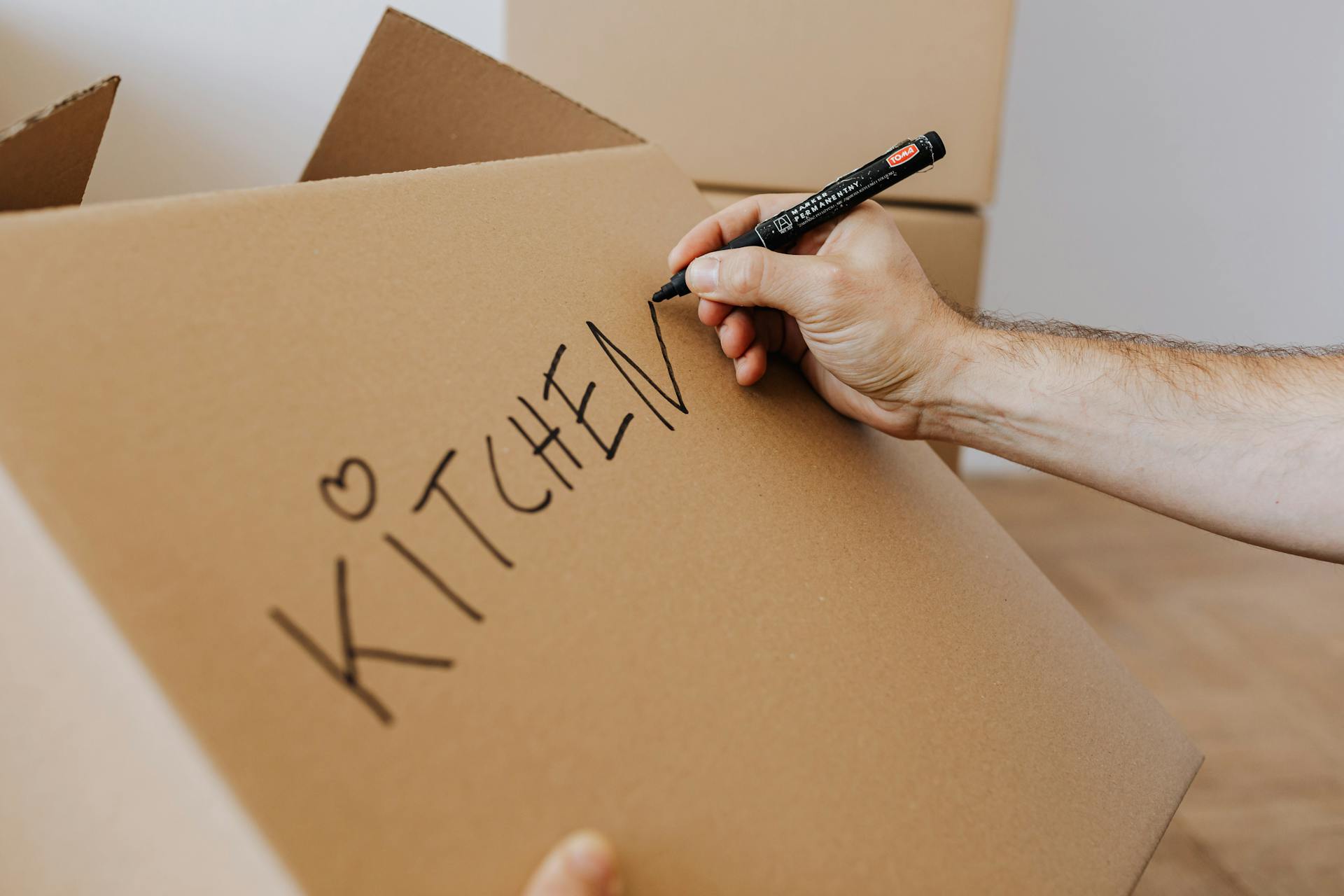
This one sounds simple but there’s a technique to it. Most people label the tops of boxes, which is completely useless once they’re stacked. Label the sides instead, ideally on every side so the label is visible from any direction.
Better still, go one step further and keep a basic inventory of what’s in each box. You don’t need to list every item, just enough to know which box to go for. “Kitchen – small appliances” or “Bedroom 2 – winter bedding” is all you need. Future you will be very grateful.
Disassemble what you can
Furniture takes up a disproportionate amount of space when it’s left fully assembled. Bed frames, dining tables, shelving units – most of these can be broken down relatively easily and stored flat, taking up a fraction of the room they would otherwise.
Keep screws and fittings in a small labelled bag taped to the relevant piece of furniture so you’re not hunting for them when it comes time to reassemble. It’s a small detail that saves a genuinely irritating amount of time.
Store smart with soft furnishings
Sofas, mattresses, cushions, and duvets can eat up space quickly if you’re not thoughtful about how you store them. Mattresses should always be stored flat if possible – storing them on their side for a long period can cause them to warp over time. Sofas can often have their legs removed and cushions stored separately to reduce the overall footprint.
Vacuum storage bags are worth considering for duvets, pillows, and soft furnishings – they compress the contents significantly and protect against dust and moisture at the same time.
Leave yourself a corridor
Whatever else you do, leave a clear path down the middle of your unit. It’s tempting to fill every inch of floor space, but if you can’t actually walk in and reach anything without a major reorganisation, the unit becomes a source of stress rather than a solution to one.
Even a narrow gap makes the space practical to use on an ongoing basis. Think of it less like packing a container and more like setting up a small room.
A little effort upfront saves a lot later
None of this is complicated, but it does require a bit of intention when you’re setting up. The units that work best for people are the ones where some thought went in at the start.
If you’d like any advice on choosing the right size unit for what you have in mind, or if you want to talk through your options, feel free to get in touch with us and we’ll be happy to help.